Report · Alberta
Smith says Alberta bike lanes bill will be amended
Premier Danielle Smith says changes are coming to Bill 43 after Calgary's mayor objected that cities would pay to remove lanes, though she gave no details.

Key points
- Premier Danielle Smith said on Saturday, Nov. 21, that her government will propose amendments to its bike lane bill, but she did not say what they would change.
- Calgary Mayor Jeromy Farkas says the premier's office told him cities would not pay for removals, while the bill as written makes them responsible.
- Edmonton's mayor and cycling advocates oppose the bill, and a smaller city says it expects little effect at home.
The facts
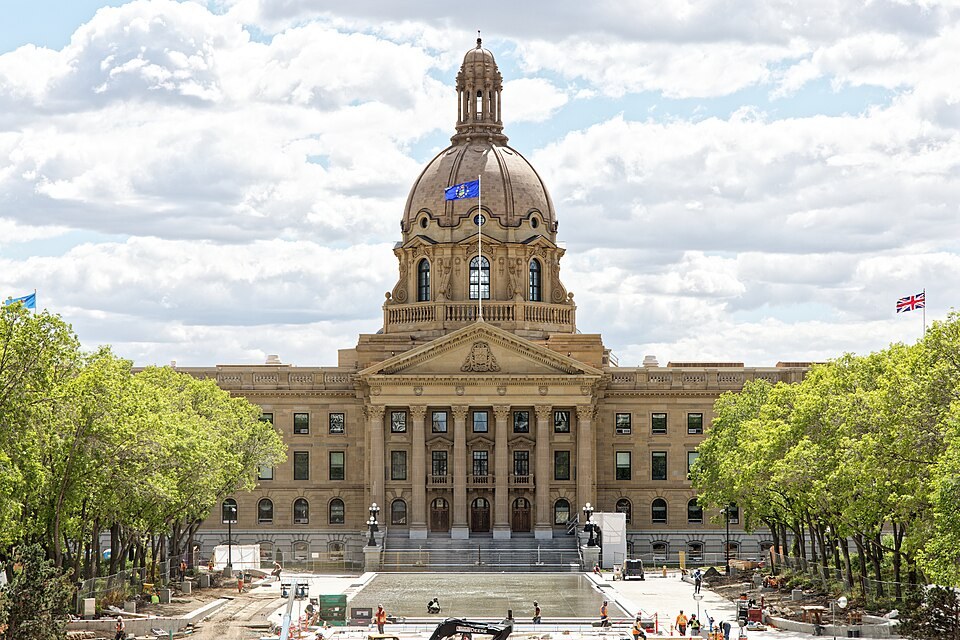
EDMONTON Alberta Premier Danielle Smith said on Saturday that her government plans to change its proposed bike lane legislation, two days after it was tabled. She spoke on her call-in radio show, "Your Province, Your Premier," on QR Calgary and 880 CHED, according to The Canadian Press, as published by Airdrie City View.
Smith said her chief of staff met Calgary Mayor Jeromy Farkas this week and that she thought his concerns were legitimate. "We've got some amendments to propose to that (legislation)," she said. She did not describe the changes, and the office of Transportation Minister Devin Dreeshen offered no specifics when asked.
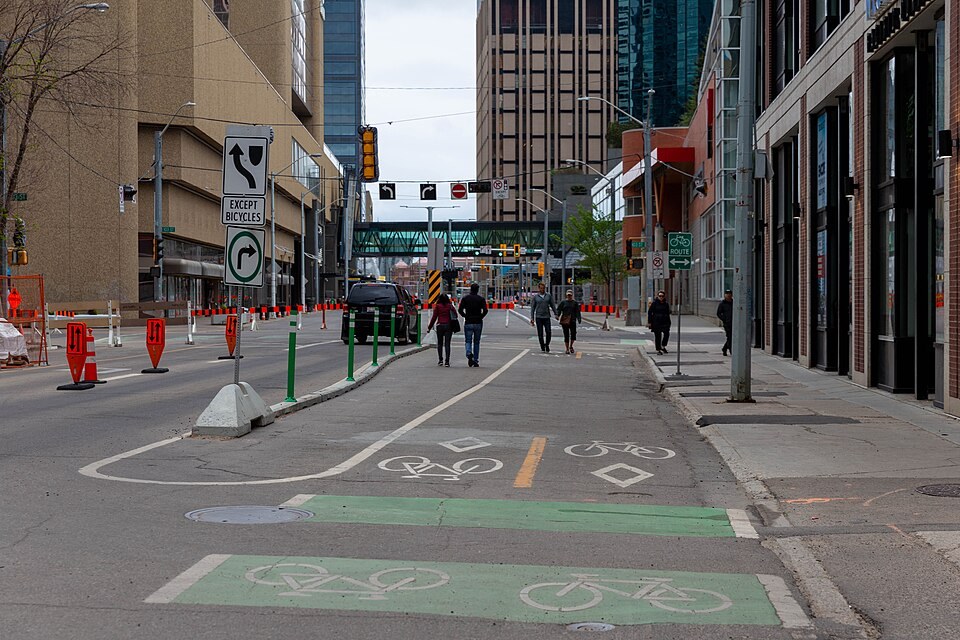
The measure is Bill 43, also called the Safe and Sensible Roads Act. It would give the minister power to order certain city bike lanes taken out, and new lanes that hurt car traffic would need his sign-off. Existing lanes of that kind would also need his approval to stay, and otherwise come out when the city does roadwork nearby.
As written, the bill puts the costs on municipalities. Farkas said on Friday that he considered this a mistake. "The provincial government will fully pay for any change orders that are required," he said outside city council chambers, according to Global News. He called the tabled bill a "premature draft version."
Global News reported that Dreeshen's office did not address Farkas's claims in its response. At a technical briefing on Thursday, officials told reporters the bill did not specify who would pay, though its published text makes municipalities responsible.
Smith told callers the government only intends to review lanes that take space from vehicles or see little use. "I think that we just wanna make sure that we're putting them in the right place, that it's not interfering unduly with regular commuter traffic," she said.

Who is affected
Cities with separated bike lanes face the greatest exposure. Edmonton Mayor Andrew Knack said the bill would increase property taxes and weaken local governments, Global News reported.
Cycling advocates say the bill would make roads more dangerous for cyclists. Jack Mason of Bike Calgary said he feels safer in a separated lane, while Bike Edmonton called on the province to scrap the bill.
Smaller cities may feel less. Pat Bohan, who oversees infrastructure for Medicine Hat, told the Medicine Hat News the city has only a few painted bike lane areas and no formal separated lanes. He said the city does not expect the bill to affect its existing lanes or its future plans, according to The Hamilton Spectator, which carried the report.
Bill 43 also covers transit. Cities planning to build or expand LRT lines would have to submit their plans to the province first, and the minister could order changes to any part of them.
What it means
The dispute centres on how much the province can overrule municipal decisions about road space. Dreeshen's office says the bill supports cooperation with cities while preserving road capacity. Bohan said it could make council decisions subject to the province, since a lane council wants would still require provincial approval.
The question of who pays remains the clearest unresolved issue. Farkas says the premier's office promised cities would not pay, but the bill says they must. Alberta Transportation's statement to Global News did not address his account.
Smith also defended greater provincial oversight of LRT projects. She said the province usually helps fund them and is planning its own rail network, including a train connecting Edmonton and Calgary.
A Calgary Herald opinion columnist wrote that the government appeared committed to removing lanes, while Farkas viewed the situation differently. The columnist also said it would not be surprising if the province contributed some money toward removals. That was the columnist's view, not a government statement.
What happens next
Smith did not give a date for the amendments. Bill 43 was tabled on Thursday, and it remains unclear whether the amendments will address who pays.
Municipalities are continuing to review the bill. Medicine Hat, for example, is checking whether it would need to change its bylaws.
Sources
- Airdrie City View (The Canadian Press): Alberta's Smith says amendments coming to proposed bike lane legislation
- Global News: Alberta bike lane bill and the Calgary mayor
- The Hamilton Spectator: Proposed bike lane legislation unlikely to affect Medicine Hat, says city
- Calgary Herald (opinion column): Bell: Smith, UCP firm on ripping out bike lanes, Calgary mayor Farkas sees different
Fact-check. This story was written from 7 verified sources (6 independent reports); 8 factual claims checked against outside sources, none contradicted. Published Nov. 21, 2026, 1:19 p.m. PT.
Spotted an error? Write to [email protected]. Read our corrections policy.
Know something we should report in your community? Send a tip to [email protected].