Analysis · Alberta
Canada's trade with China hits a record as Carney heads to Asia
Trade between the countries totalled $36.78 billion from July to September, led by Alberta crude and Saskatchewan canola. The figures land as the prime minister leaves for Asia.
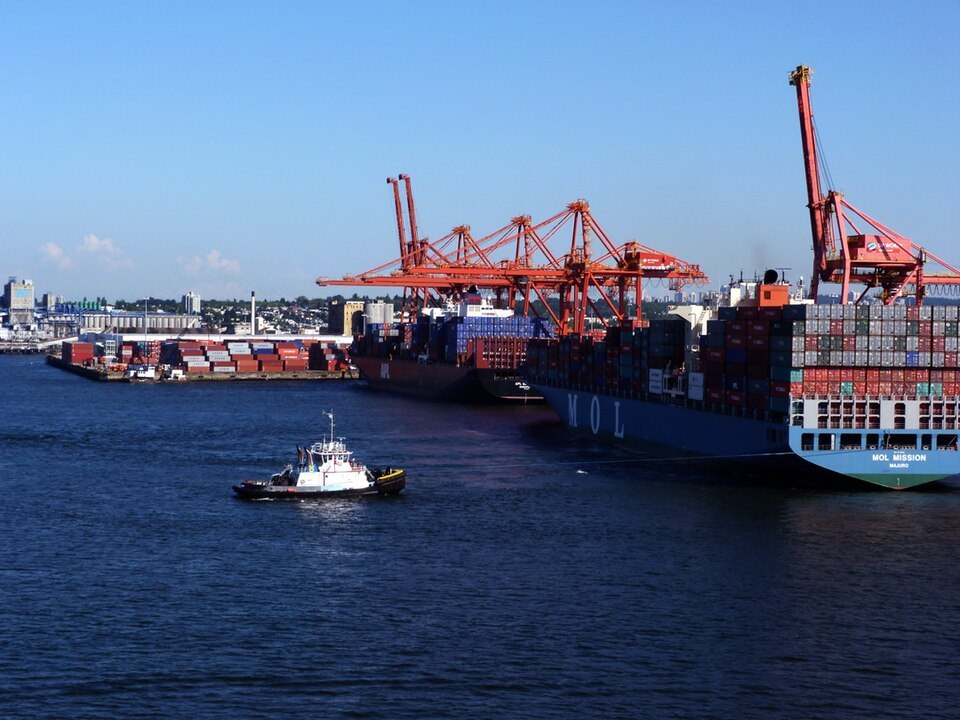

OTTAWA Trade between Canada and China set a quarterly record from July to September, and much of the growth came from the Prairies. The figures arrive just as Prime Minister Mark Carney leaves on Wednesday, Nov. 11, for a tour of Asia that includes a planned meeting with Chinese President Xi Jinping.
The numbers come from third-quarter data compiled by the University of Alberta's China Institute. According to CTV News, trade in both directions totalled $36.78 billion, the best quarter ever recorded. Energy shipments drove most of that.
Oil and the Prairies
Crude oil is the biggest story for Alberta. Exports to China jumped 159 per cent in the quarter and averaged 327,000 barrels a day. Reports on the data credit much of the increase to the added room on the Trans Mountain pipeline. They also say disruptions to supply in the Middle East pushed oil prices higher for buyers in both China and the United States.
Philippe Rheault, the institute's director, said many experts had expected most Canadian crude reaching tidewater to end up in California. "That's been disproved emphatically," he said, adding that nearly all of it is going to East Asia and most of that to China.
Farm products also grew sharply, a sign that China has eased its tariffs on Canadian agricultural goods. Canola meal sales reached $360.3 million, compared with only $12.9 million a year before. Pea sales climbed to $147.6 million, compared with $9.2 million. Beef exports totalled $181.4 million after being close to nonexistent the year before.
Most provinces increased sales to China during the quarter, with Alberta and Saskatchewan accounting for nearly 78 per cent of the national increase. Canada's domestic exports to China grew by about $4.32 billion from a year earlier. The report attributes Alberta's increase largely to crude oil, while Saskatchewan's gains came from canola meal, canola seed, potash and peas.
How the relationship changed
The growth follows a low point in relations after China detained Canadians Michael Kovrig and Michael Spavor, a case that followed Vancouver's 2018 arrest of the Huawei executive Meng Wanzhou. Trade picked up after an agreement last January. Under it, Ottawa obtained lower Chinese tariffs on Canadian goods and agreed to allow Chinese electric vehicles into the Canadian market.
Rheault said the data shows what Canada's renewed engagement with China and the change in federal policy have produced. "Our exports are going to hit record highs this year, and the numbers are accelerating," he said.
The risks
Not everyone reads the numbers as good news without conditions. Vina Nadjibulla, who heads the Centre for Strategic Statecraft, noted that nearly 70 per cent of Canada's canola seed exports went to China in 2024. She said that gave Beijing leverage it has used during political disputes. Her advice was to expand trade with China while developing other markets so that Canada reduces strategic dependence instead of moving it from one major power to another.
Carney was asked on Tuesday about the risks of a deeper relationship. He said Canada's exposure remains limited, and he compared the security risks of the China partnership with those of relying on the United States. "They are much, much, much, much less than the security risks, for example, of the United States," Carney said.
He also said he intends to discuss security concerns directly with Xi, including Canada's insistence that China and other countries refrain from interfering in its affairs.
The scale of the relationship needs context. Even after the increase, Canada sells about ten times more to the United States than to China, according to BNN Bloomberg.
What happens next
Carney's stated goal is to double exports of goods and services to markets outside the United States by 2035. His Asian trip begins with the ASEAN summit in the Philippines. Next is the APEC summit in China, where a meeting with Xi is expected. The tour ends at the Francophonie summit in Cambodia. It is his second visit to China as prime minister.
For Alberta and Saskatchewan producers, the main question is whether the third-quarter pace holds. The data covers a single quarter, and Nadjibulla's warning about dependence shows why some analysts want caution. What the figures do establish is that the Prairies now sell far more to China than they did a year earlier.
The sources did not specify whether any trade announcements are expected during the visit. The BNN Bloomberg version of the report contains the same figures.
Sources
Spotted an error? Write to [email protected]. Read our corrections policy.
Know something we should report in your community? Send a tip to [email protected].