Report · Atlantic
New Brunswick proposes Electricity Act changes for data centres
A bill tabled Friday would let the province vet each data centre before it connects to the grid and keep costs off existing power customers, but critics say it leaves too much to cabinet.

Key points
- New Brunswick introduced Electricity Act amendments on Friday that would let government evaluate and reject data centre projects before they connect to the grid.
- NB Power and the three municipal utilities could not sign data centre supply deals without written approval from a person named by cabinet.
- Green and Progressive Conservative politicians question the vagueness of the bill and the role of investment agencies in judging projects.
The facts
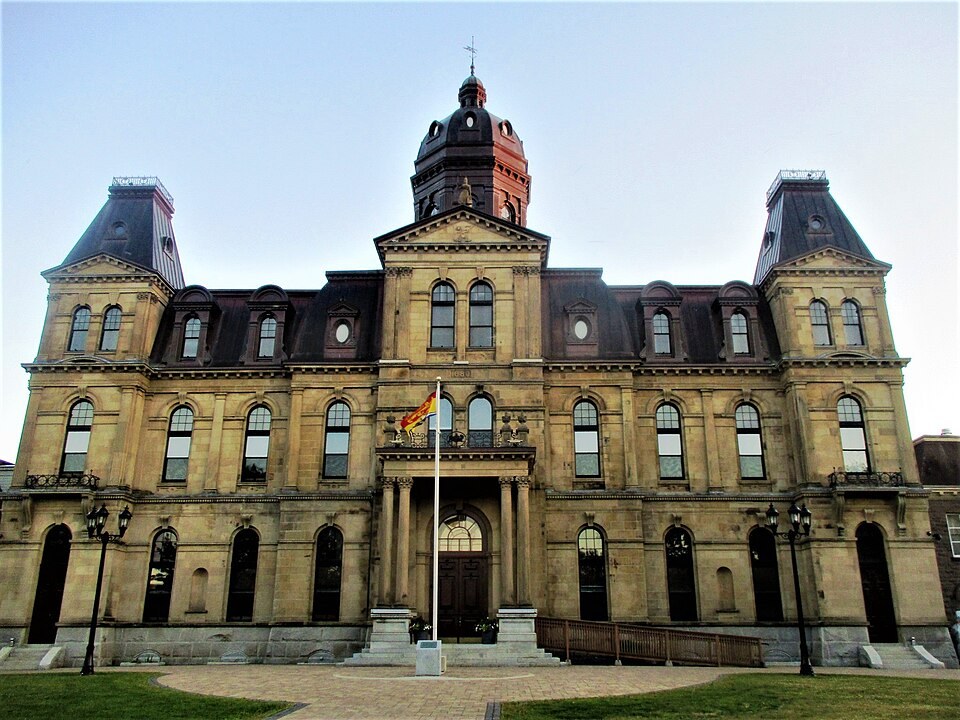
FREDERICTON The province tabled changes to its Electricity Act in Fredericton on Friday, Nov. 20. If passed, they would let the province evaluate data centre projects before they connect to the electrical grid and turn down any it judges unsuitable, according to the government.
The change comes a day after the province released a policy framework for approving New Brunswick data centres. Energy Minister René Legacy introduced the bill to carry out the electricity parts of that policy, CBC News reported.
At present, distribution utilities assess connection requests one at a time, in the order they arrive. The amendments would replace that with a government review of every data centre seeking a connection. If the bill passes, it would take effect upon proclamation.
"It is crucial that we have a way to balance the electricity needs of data centres with the growing energy demands of New Brunswickers," Legacy said in the government release.
CBC News reported that the amendments would bar NB Power and the province's three municipal electricity utilities from signing supply agreements with data centres unless a person designated by cabinet approves them in writing. The bill also says supplying a data centre will not raise costs for a utility's existing customers. Cabinet would set by regulation the costs a data centre must bear.
The bill does not say who the designated person is. Legacy told CBC he expects it to be him.
Three provincial bodies will oversee evaluations under the framework: Opportunities New Brunswick, the New Brunswick Growth Office and the Regional Development Corporation. Legacy said the growth office can spread a review across departments, including Energy and Environment.

Who is affected
Electricity customers are the group the bill names most directly. The government said the changes focus on protecting ratepayers, and the cost provision is aimed at keeping data centre demand from raising bills for existing customers.
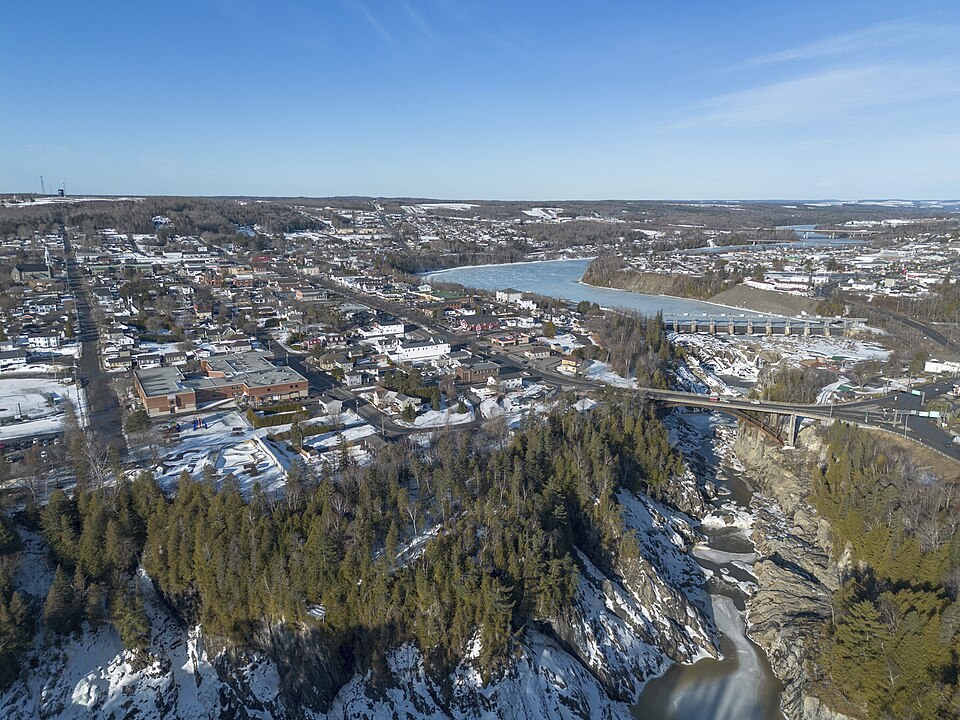
Municipalities are the other concern. Two data centres already operate in Grand Falls, and one has bought more land for a possible expansion, CBC reported. The town's regional municipality issued a statement on Thursday asking whether local governments will have a say once the province decides.
Grand Falls Mayor Bertrand Beaulieu said the worry is that provincial agencies could decide a project goes ahead "and the municipality will have nothing to say."
Post-Secondary Education Minister Jean-Claude D'Amours, who led the policy work, told CBC that municipalities could refuse a project. The policy release says proposed changes to the Local Governance Act would let local governments and rural districts decide whether a proposal suits them and negotiate community benefit agreements.
The policy covers every proposed data centre in the province, including those already under consideration. Large developments will have to register for an environmental impact assessment.
What it means
The bill sets up a new approval gate that sits ahead of the existing first-come, first-served rule. Supporters of the approach, including the Atlantica Centre for Energy, say a clear process can attract investment while protecting customers. Its president, Michelle Robichaud, said the way the framework is put into practice will decide whether it works.
Critics focus on what the bill leaves out. Green Leader David Coon told CBC the bill "relegates almost everything, all the powers and authority, into a regulation" that cabinet will write behind closed doors.
Green MLA Megan Mitton said there is an inherent bias because the three oversight bodies exist to attract investment, create jobs and speed up approvals. Progressive Conservative Leader Daniel Allain also questioned giving economic development agencies the evaluations. Legacy replied that Opportunities New Brunswick already serves as the front door for industrial investment and will not cheer projects on.
A Fredericton community voice, writing on X as @thomjeff, raised a related question about the years after approval. The account wrote: "NB has an approval framework, but who ensures a data center delivers on its promises for decades to come?"
What happens next
The bill has been introduced in the legislature. The government release gives no dates for further stages, and the amendments take effect upon proclamation if the bill passes. The cabinet regulations that will set data centre costs and define the approval powers have not been published.
The government also plans to amend the Environmental Impact Assessment Regulation, issued under the Clean Environment Act, and says it will pursue the other legislative and regulatory changes needed to implement the policy. Details of the proposed Local Governance Act amendments appear in the government's policy announcement.
Sources
- Government of New Brunswick: Electricity Act amendments proposed for data centres
- CBC News: Energy minister defends data centre policy
- Government of New Brunswick: Government adopts stringent approval process for proposed data centres
- Your Saint John: N.B. proposes Electricity Act amendments as part of data centre approval framework
- @thomjeff on X: post
Fact-check. This story was written from 4 verified sources (3 independent reports); 1 public post on X quoted verbatim and linked; 8 factual claims checked against outside sources, none contradicted. Published Nov. 21, 2026, 6:22 p.m. PT.
Spotted an error? Write to [email protected]. Read our corrections policy.
Know something we should report in your community? Send a tip to [email protected].