Report · B.C.
B.C. Ferries says it needs 40 per cent more revenue by 2029
BC Ferries funding will fall short from April 2028 without higher fare caps or more provincial money, the company says, and closing the gap would take revenue growth above 40 per cent by fiscal 2029.

Key points
- BC Ferries says revenue would have to grow by more than 40 per cent by fiscal 2029 to cover projected annual shortfalls when its next regulated term starts in April 2028.
- The company identifies two ways to close the gap: higher fare price caps set by the BC Ferries Commissioner, or additional provincial funding.
- The Commissioner is expected to make a preliminary decision on fare caps by March 31, 2027, and the province has ordered an independent review of the ferry company.
The facts
VICTORIA BC Ferries has warned that its finances for the next regulated period will not balance without higher fares or more public funding. The warning appears in the company's financial discussion and analysis for the second quarter and first half of its fiscal year, dated Nov. 24, 2026.
The report looks ahead to performance term seven, which runs from April 1, 2028, through March 31, 2032. It says the company expects significant annual funding shortfalls in that term unless fare price caps rise or more funding arrives. The report states: "Addressing these shortfalls would require revenue growth of greater than 40% by fiscal 2029."
The company named the same two routes to a fix. One is higher price caps approved by the ferry commissioner. The other is funding from the province or other sources. BC Ferries filed its submission for the next term with the Commissioner on Sept. 30.
Fares are currently held to a 3.2 per cent annual increase under the existing cap. The province gave BC Ferries $500 million in Fare Affordability Funding for the current term to keep increases near three per cent. The company says it has received three instalments totalling $300 million, the latest a $150 million payment on Sept. 29.
Times Colonist columnist Les Leyne, writing in a column on the filing, noted that the corporation takes in roughly $1 billion each year. On that basis, he wrote, the forecast gap would be hundreds of millions of dollars.
The filing also indicates that costs are rising. In the quarter ended Sept. 30, revenue increased 11 per cent to $457 million, up $45.3 million from a year earlier. Operating expenses climbed 15 per cent to $337.2 million, mainly because of higher diesel prices and labour costs, the company said.

Who is affected
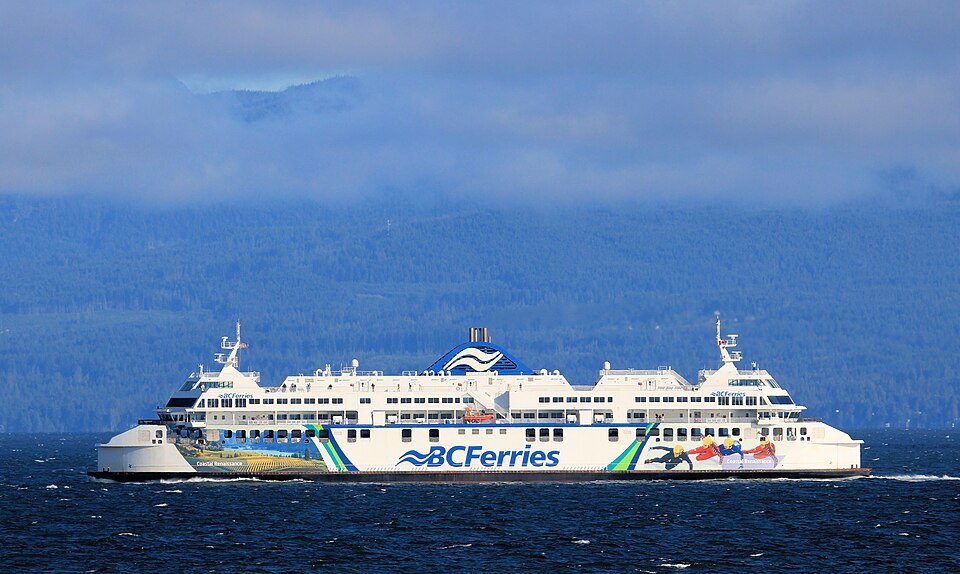
Anyone depending on BC Ferries for commuting, medical appointments, deliveries or family visits is affected. The company operates 37 vessels on 25 routes from 47 terminals.
A temporary five per cent fuel surcharge has applied on all routes since June 16, 2026, which the company attributes to higher global fuel prices. Riders pay it on top of the regular fare.
BC Ferries said it carried 8.2 million passengers and 3.2 million vehicles in the three months ended Sept. 30. Any change to the price cap from April 2028 would affect those travellers as well as businesses shipping goods by ferry.
What it means
The warning lands as Premier Lorne Doerkson's new government sets its direction. In a mandate letter dated Nov. 24, Doerkson told Transportation and Infrastructure Minister Trevor Halford to "Commission an independent review of BC Ferries capital costs, administrative and operating costs, executive compensation and governance structure," according to Daily Hive.
Daily Hive noted that, unlike a similar directive on TransLink, the ferry review is not spelled out as a condition for weighing more provincial funding. Leyne wrote that the review suggests spending cuts might be weighed as a partial alternative to a large revenue increase. That is his reading of the letter, not a statement from the government.
A BC Ferries spokesperson told Daily Hive: "We share the Province’s focus on a safe, reliable and affordable ferry system." The spokesperson said the company wants to work with the province on lasting improvements and a larger federal funding contribution.
The company's leadership is also in flux. Its board replaced chief executive Nicolas Jimenez with interim leader Brian Anderson on Oct. 26 and launched a Revitalization Review. In his column, Leyne described the government as boxed in by its commitments on both cost cutting and affordability. That is his assessment.
What happens next
The Commissioner will cap average fare increases for the four years starting in April 2028. According to Daily Hive, a first ruling should come by the end of March 2027, and the final limits are due at the end of September 2027.
Neither the filing nor the sources reviewed provide a completion date for the independent review. The current 3.2 per cent cap remains in place until the existing term ends in March 2028.
Sources
Fact-check. This story was written from 3 verified sources (2 independent reports); 8 factual claims checked against outside sources, none contradicted. Published Nov. 28, 2026, 7:16 a.m. PT.
Spotted an error? Write to [email protected]. Read our corrections policy.
Know something we should report in your community? Send a tip to [email protected].