Report · Prairies
Full Lloydminster health report reveals critical staffing shortages
Alberta and Saskatchewan have published the complete needs assessment for the border city, and it describes a hospital and primary care system under strain.


Key points
- The full 261-page Lloydminster health report says the hospital is no longer adequate and primary care is critically understaffed.
- Alberta and Saskatchewan released it on Oct. 30, months after the public saw only a four-page summary.
- Both provinces say the recommendations are not funding commitments, and the city wants to meet both health ministers.
The facts
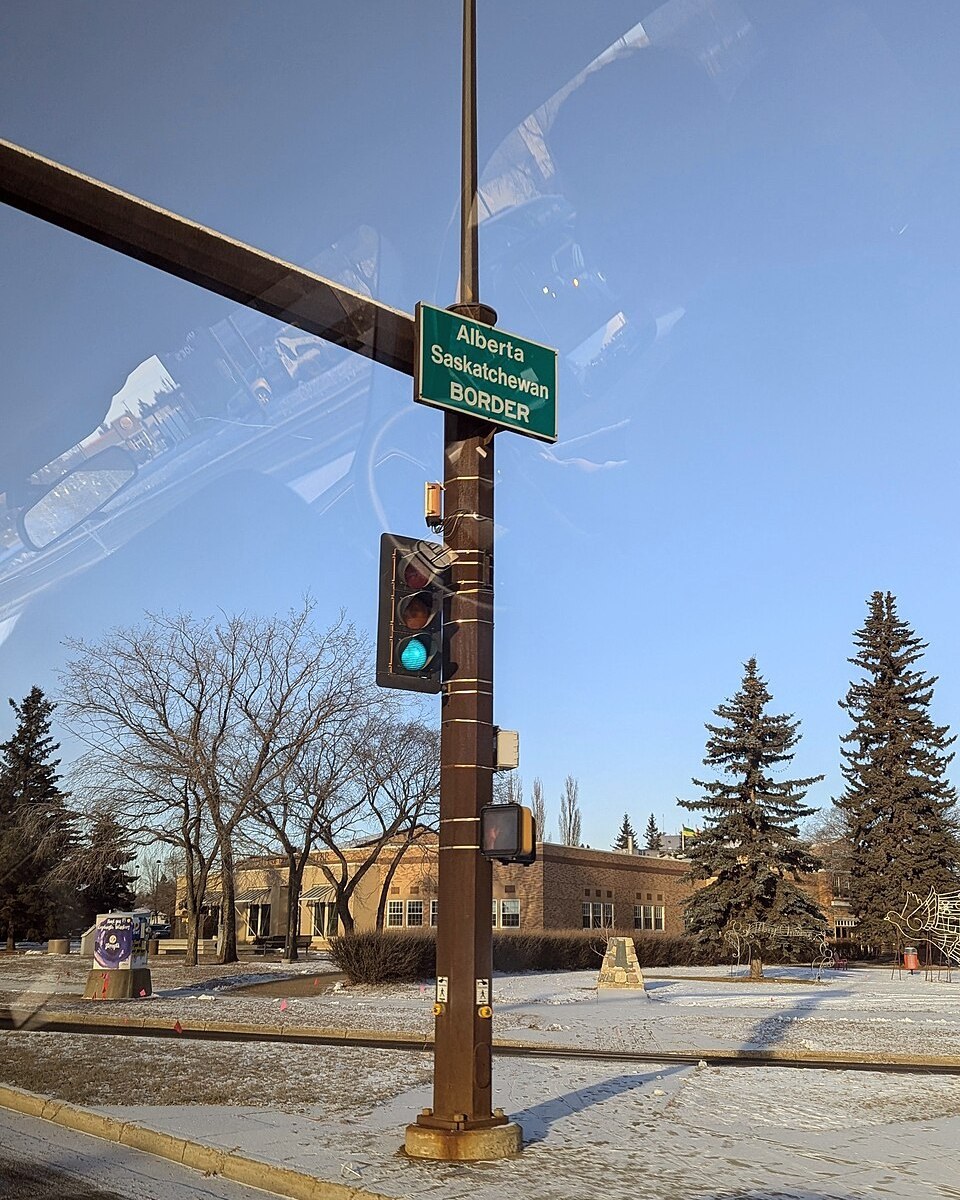
LLOYDMINSTER, Sask. Alberta and Saskatchewan have now published the whole Lloydminster Health Service Needs Assessment, a study of care in the city that sits on their shared border. The provinces ordered it in 2024 to guide planning for Lloydminster and a catchment area of roughly 217,000 people, CBC News reported.
In a statement to CBC, Alberta's Hospital and Surgical Health Services Ministry said the 261-page document went out on Oct. 30. Until then, the public had only a four-page summary from June, which described service levels as comparable to other communities of the same size.
The full assessment is blunter. It finds serious capacity and infrastructure problems, says the hospital no longer suits the population it serves, and calls primary care critically understaffed. Mental health and substance use supports are described as notably lacking.
It also lists dual licensing requirements and poor communication between the two provincial systems as barriers for patients and providers.
According to The Border Pulse, the report recommends raising funded inpatient beds in the city's hospital to 76 from 66 by 2040, plus a regional intensive care unit with five beds. It also suggests about 29 extra operating room hours each week, to cover projected demand of around 5,400 surgeries a year by 2040.
The outlet said Saskatchewan's Ministry of Health refused its June 25 freedom of information request for the report. On Oct. 30, ministry chief privacy officer Lisa Dietrich emailed it links to the document. "After reviewing the situation, both governments determined it was appropriate to release the Lloydminster needs assessment," Dietrich wrote. Her email did not say what had changed since June.
The two ministries also did not directly answer CBC on that point. Tom McIntosh, a University of Regina professor who studies health care and intergovernmental relations, noted that nothing was redacted. "That sort of negates their initial position on the report," McIntosh told CBC.
Who is affected
Patients on both sides of the boundary depend on the same hospital and local clinics, so gaps in primary care and mental health services reach the city and the wider region.
Older residents face a clear pressure. The assessment estimates that people aged 75 and older in the region will nearly double by 2040. Darrell Dunn is vice-president of the Concerned Citizens for Seniors Care Society in Lloydminster. He brought 2,700 letters from residents to the Saskatchewan Legislature on Wednesday. He wants Jubilee Home replaced. It is the sole home for long-term care in the Saskatchewan part of the city, and a 2013 assessment found the 50-bed building had major deferred maintenance and should be replaced within 15 years.
Dunn said the lack of long-term care spaces ties up hospital beds. "The challenge is people who should be in long-term care are taking up space in the hospital when they’re in medical distress, and those beds are tied up because there’s nowhere to put these folks into long-term care," he said.
What it means
The gap between the June summary and the full document is the central tension. According to CBC, local advocates and a Lloydminster physician criticized both governments earlier this year for keeping the report confidential. Saskatchewan's Health Ministry said both provinces judged release appropriate to support work with local stakeholders, and called the contents largely public already.
McIntosh said the findings could prompt community lobbying and pressure on both governments to announce plans.
Paul Richer, who chairs the health advisory council for Lloydminster and district, said release lets residents advocate with the facts in hand. He said the two provinces run on different budget and election cycles, which is why he believes the community should keep the study alive.
The Border Pulse said it has not withdrawn its request for a review by Saskatchewan's information and privacy commissioner, who has not ruled on the exemptions the ministry cited.

What happens next
Both provinces say recommendations such as an after-hours access clinic for primary care, team-based models, virtual care and a mental health short-stay unit need more evaluation and are not commitments. No timetable has been reported.
Saskatchewan's health minister, Jeremy Cockrill, said his government will keep talking with residents and elected officials about next steps for Lloydminster.
Gerald Aalbers, the mayor, said the city has asked to meet health ministers from both provinces. "We will continue to strongly encourage both provinces to begin addressing the report's recommendations as budget requests move forward this year and in the years to come," he said.
Richer said his council plans to hold a public meeting with health officials in the spring. He urged residents to tell local elected officials what their priorities are.
Sources
Fact-check. This story was written from 3 verified sources (3 independent reports); 8 factual claims checked against outside sources, none contradicted. Published Nov. 14, 2026, 12:26 a.m. PT.
Spotted an error? Write to [email protected]. Read our corrections policy.
Know something we should report in your community? Send a tip to [email protected].