Report · Atlantic
Bay du Nord offshore oil project approved by Ottawa and N.L.
Both governments signed off on Equinor's $14 billion deepwater oil plan off Newfoundland on Nov. 20, but the companies have yet to decide whether to build it.

Key points
- Ottawa and the province jointly approved Equinor's Bay du Nord development plan on Friday, Nov. 20, in an announcement made in St. John's.
- Bay du Nord is expected to cost $14 billion and would be Canada's first deepwater oil development.
- Equinor and Shell have yet to commit to construction and are expected to make a decision in early 2027.
The facts
ST. JOHN'S The federal and Newfoundland and Labrador governments have approved the Bay du Nord offshore oil project, which CBC News described as having cleared its last major regulatory milestone. Premier Tony Wakeham and federal Fisheries Minister Joanne Thompson announced the approval in St. John's on Friday, Nov. 20, according to Natural Resources Canada.
Equinor Canada Ltd. is leading the project, with Shell as its partner. The province says the field is in the Flemish Pass Basin, about 475 kilometres off Newfoundland. CBC News reported a distance of about 500 kilometres from St. John's.
The offshore regulator, known as the C-NLOER, approved the plan on Nov. 4. Its review included two months of public, industry and Indigenous engagement from June 22 to Aug. 20. Because of the Atlantic Accord legislation, the federal energy minister and the provincial energy minister also had to sign off, and the regulator says both did.
The province estimates the field could produce more than 400 million barrels of oil and generate about $6.4 billion in direct revenue over the project's lifespan. Ottawa forecasts a $20 billion return for governments and a $50 billion contribution to Canada's GDP over about 20 years of operation.
Wakeham said the project would mean more than 31 million person-hours of work across 25 years. "For far too long, the incredible potential of our offshore has gone untapped and the data is clear," he said, according to BayFM. At the news conference he called the approval "a key step in turning this project into real economic opportunities for our people," CBC reported.
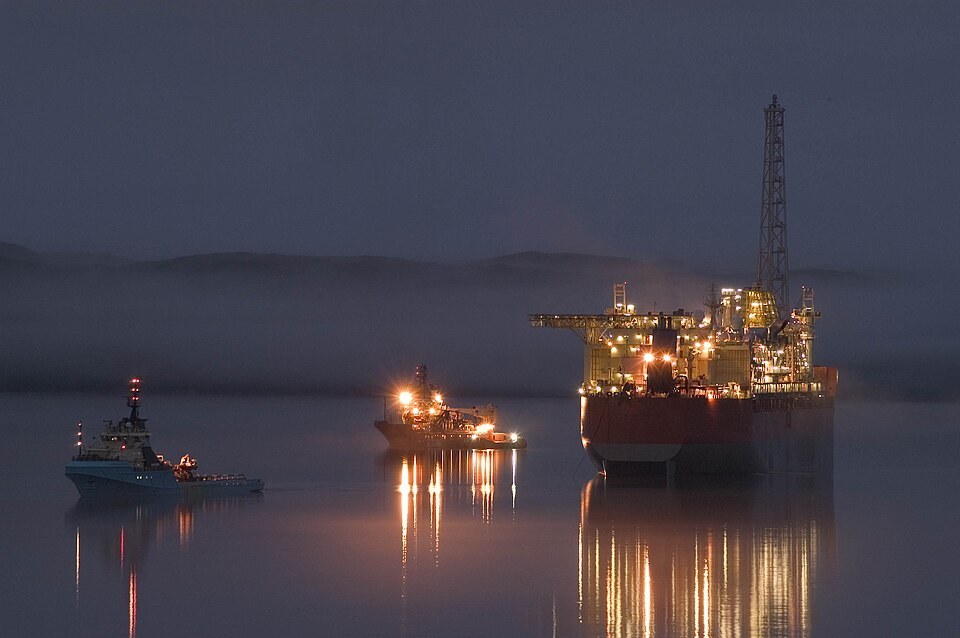
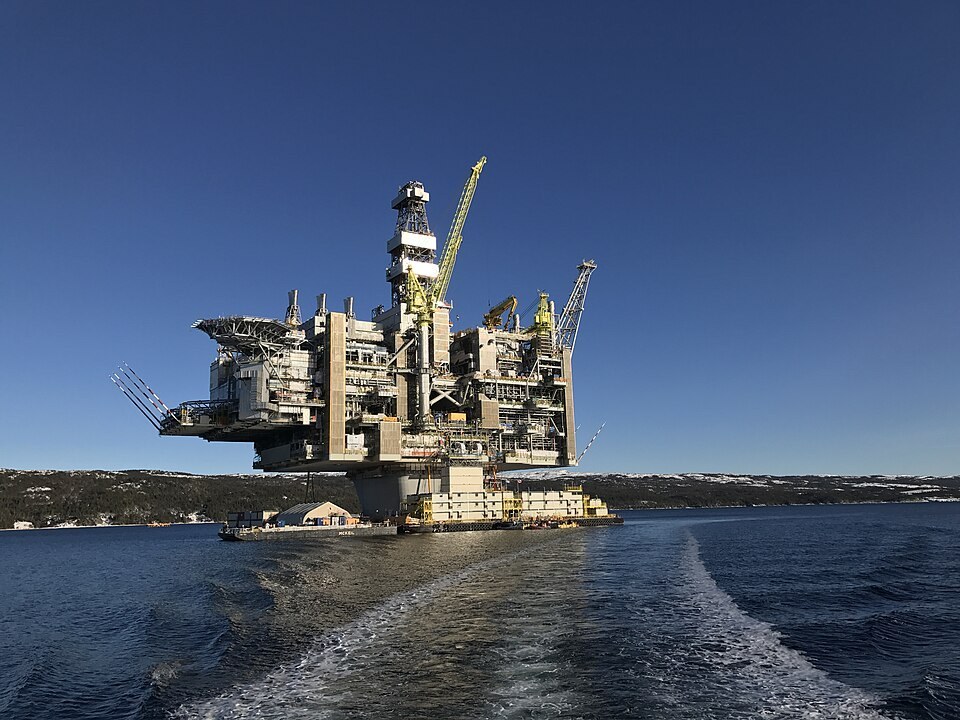
The first phase covers the Bay du Nord and Cambriol fields. Equinor would use a floating production vessel built to avoid routine flaring. Wells would start going in around late 2029 or early 2030, and the target for first oil is 2031.

Who is affected
According to Natural Resources Canada, offshore oil and gas already sustains close to 20,000 jobs on the East Coast. The governments say Bay du Nord will add skilled work and business for people in the province. Charlene Johnson, chief executive of the industry group Energy N.L., told reporters that members have waited years for this. She said the province and Ottawa are "all pulling on the same oar, and the best is yet to come," according to CBC.
The project could also affect the provincial treasury. Earlier this month, the province said it wanted a 10 per cent equity stake alongside Equinor and Shell. Wakeham said the stake would be confirmed only after a detailed financial review. CBC reported that the province would have up to 90 days to finalize its stake after the companies decide to proceed.
BayFM reported that the regulator also received bids on 10 parcels of land earlier in November, the highest number in 26 years, following three years without bids.
What it means
Approval does not mean the project will be built. The regulator says proceeding is a separate business decision for the owners, and any future offshore work will require further authorizations and reviews. Equinor and Shell will decide what to do next.
CBC reported that opponents have raised concerns about the field's distance offshore, its status as Canada's first deepwater oil project and emissions from burning the oil it would produce. The project passed its federal environmental assessment on April 6, 2022, and CBC reported that the decision has withstood a court challenge.
Natural Resources Canada says emissions from the project are expected to be 50 per cent lower than the global average for offshore oil.
Fred Hutton, the Liberal energy critic in the legislature, welcomed the project's progress. He added that Liberals are disappointed the government did not press for a guarantee that more of the construction happens in the province, according to CBC.
What happens next
The companies are expected to make a final investment decision in early 2027, which CBC put in the first quarter of the year. Equinor Canada's country manager Tore Løseth said the company will keep working toward it. "Our job now is to build on that progress and mature Bay du Nord towards a final investment decision," he said, according to the Government of Newfoundland and Labrador.
If the companies say yes, the province's 90-day window to finalize its stake opens, and drilling is expected to start in late 2029 or early 2030.
Sources
- 100.1 BayFM: Bay du Nord project gets the green light from federal and provincial governments
- Government of Newfoundland and Labrador: Provincial Government approves Bay du Nord Project
- Natural Resources Canada: Canada and Newfoundland and Labrador advance the Bay du Nord project
- Canada-Newfoundland and Labrador Offshore Energy Regulator: Bay du Nord Development Application approved
- CBC News: Bay du Nord offshore oil project off N.L. clears last major regulatory hurdle
Fact-check. This story was written from 5 verified sources (5 independent reports); 8 factual claims checked against outside sources, none contradicted. Published Nov. 23, 2026, 7:25 a.m. PT.
Spotted an error? Write to [email protected]. Read our corrections policy.
Know something we should report in your community? Send a tip to [email protected].